Linerlock vs Framelock vs. Crossbar style/River-LOK: What’s the Difference?
When choosing a folding knife, many buyers focus on blade shape or handle material, however, the locking mechanism is one of the most important safety features. You should know what type of lock you should have depending on your needs and preferences before investing in a quality knife.
In this post, we’ll show you some of the most common types of locking mechanisms found in a desirable EDC folding knife and the advantages of each so you can choose a knife that feels secure, safe, and comfortable to use.
- Linerlocks are simple and widely used
- Framelocks offer strength and durability
- Crossbar or River-LOK style locks provide ambidextrous, easy one-hand operation
Linerlock
Linerlocks are one of the more common mechanisms seen on folding knives.
Its main component is a side spring bar “lining” the inside of the handle. When the knife is closed, the spring bar is held under tension. When fully opened, that tension slips the bar inward to make contact with the end of the blade, keeping it firmly in place and preventing it from closing. To disengage a linerlock, you have to use your thumb to push the exposed portion of the lock spring bar across so that it clears contact from the blade, allowing you to fold it back into the handle.
Benefits:
- Easy to operate and close the knife with one hand
- Requires less pressure to disengage the lock bar
- Lightweight and offers consistent action
- Fun to play and fidget with
Linerlocks require users to place their finger in the path of the blade when closing, so it can take a little practice to get proficient with closing the knife with skill and confidence. The good news is that it’s very easy to learn and many users pick up the technique in literally no time at all, making it extra fun to play with. Linerlocks are typically made from a thinner piece of metal and are very strong, however, users who demand heavy use may opt for a framelock.
Framelock
A framelock is similar to a linerlock but uses part of the handle frame itself to lock the blade. Framelock knives tend to be stronger than liner locks, as the piece of metal that slips into place is more substantial than that in a liner. Because of their similarity to liner locks, closing a framelock knife is virtually the same — push down on the spring bar so it no longer blocks the end of the blade; remove your thumb from the path; then fold the knife closed. Knives with a framelock tend to be a bit heavier than linerlocks and may feel a little less action or stiffness for some users. Similar to linerlocks, users will need to clear their finger from the path of the blade to close, which again is often easy to learn for many.
Benefits:
- Strong lock engagement
- Easy to clean and maintain
- Durable and reliable
- Good for heavier-duty folding knives
Crossbar lock/River-LOK
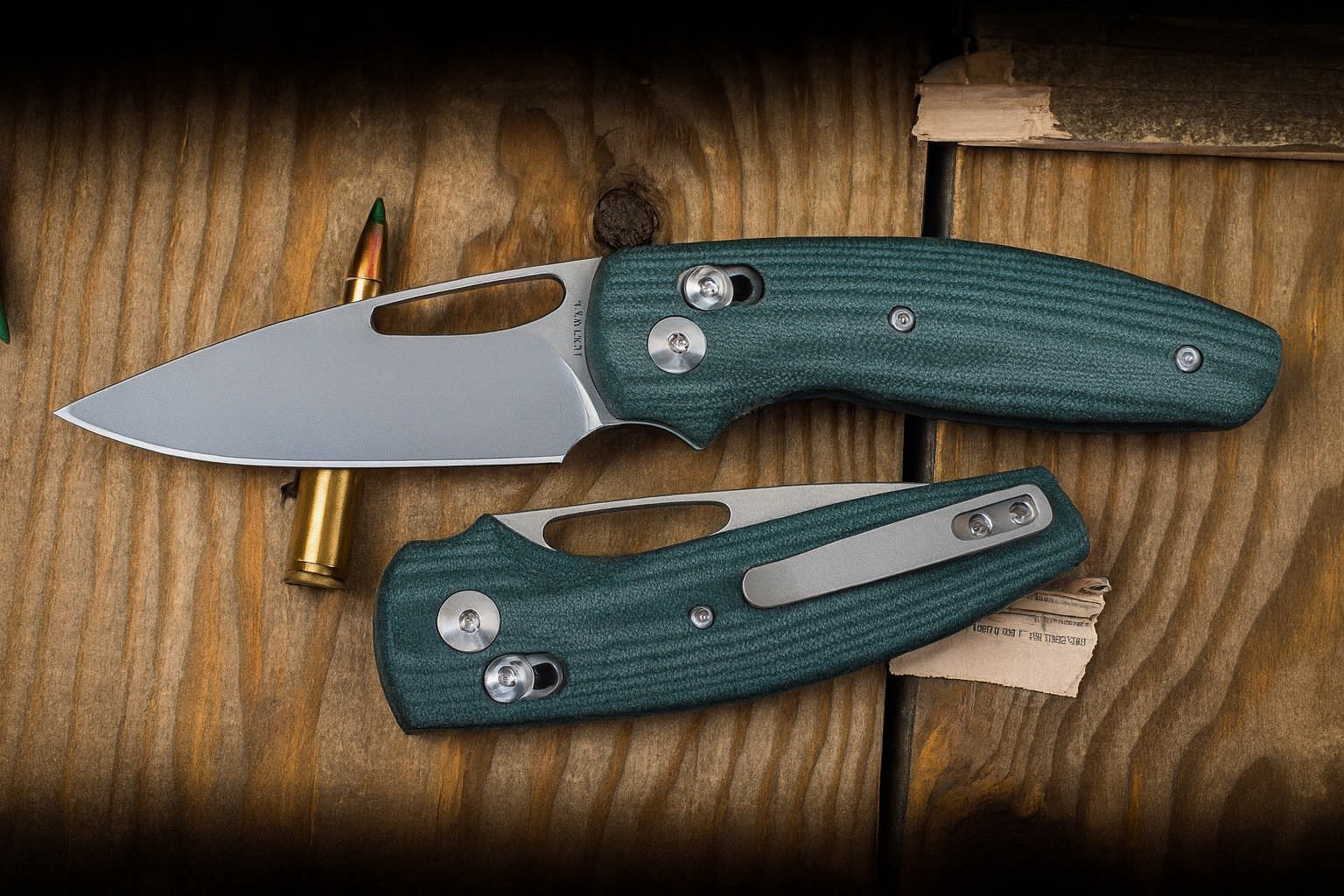
These locks were originally made and patented by knifemakers that sold the rights to Benchmade Knives. That knife company renamed it AXIS lock to which its patent expired years ago. Similar mechanisms have been manufactured in the industry and now are referred to as Crossbar lock or River-LOK which are used in many folding knifes. This lock uses a spring-loaded bar that moves horizontally to lock the blade. The crossbar/River-LOK is a more complex internal mechanism and usually found on higher-end knives. It is finger safe, offers smooth action, easy to open and close and is good for both righty and lefty hands. These locks are popular for EDC users who prioritize safety and ease of use.
Advantages of Crossbar locks/ River-LOKs
- Ambidextrous design
- Easy one-hand operation
- Fingers stay away from the blade
Hopefully, this overview of the more popular folding knife locking mechanisms should help you be more familiar with your options for safe and convenient everyday carry.
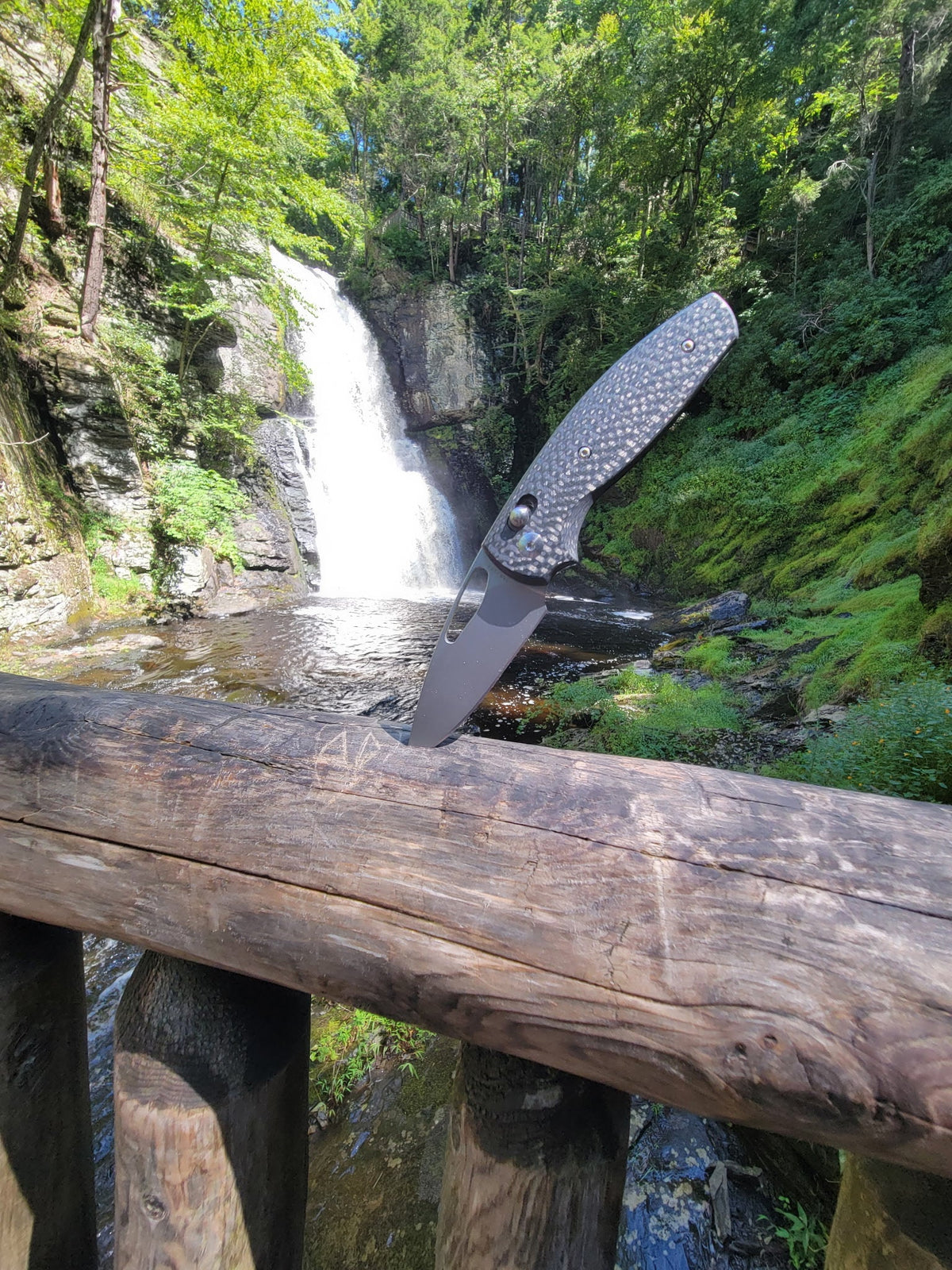
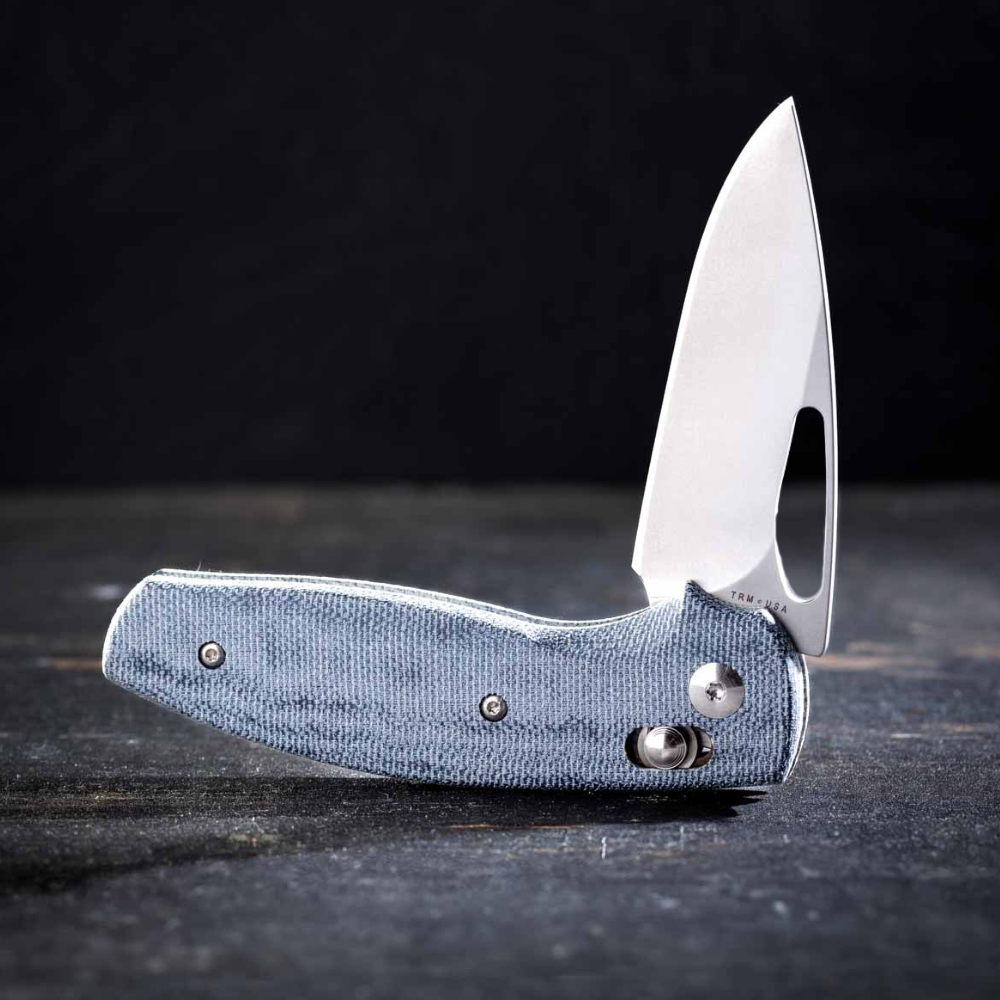
Links to TRM products featuring the locking mechanisms discussed above. Check them out!
TRM NEUTRON 2 features the Liner Lock
TRM NEUTRON 2 features the Liner Lock
TRM BULLDOG Features the River-LOK.